
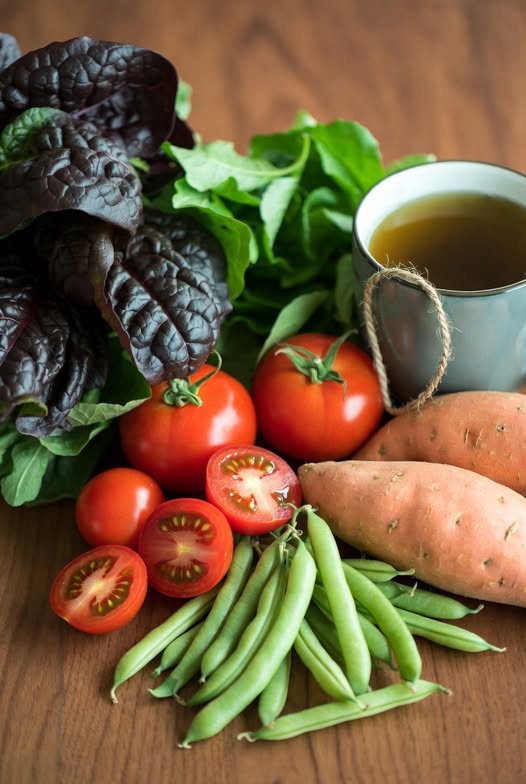
Antioxidants act as your body’s natural shield against free radicals, slowing skin aging, protecting heart health, reducing inflammation, and lowering the risk of chronic diseases. The great news? You don’t need fancy imported superfoods or costly pills. Everyday affordable ingredients—often costing just $0.20–$1 per kg at local markets—deliver powerful antioxidant protection.
Here are the top 5 cheapest natural antioxidant-rich foods, widely available, easy to prepare, and highly effective.
1. Dark Leafy Greens (Spinach, Water Spinach, Mustard Greens, Bok Choy)
Dark leafy greens top the list for budget antioxidant powerhouses. They are loaded with vitamin C, vitamin E, beta-carotene, flavonoids, and lutein—compounds that neutralize free radicals effectively.
Key Benefits: Eye protection, glowing skin, stronger immunity, reduced inflammation.
Approximate Price: $0.40–$0.80 per large bunch (water spinach is often the cheapest at $0.20–$0.40).
How to Use: Steam, stir-fry with garlic, add to soups, or blend into green smoothies. Aim for 200–300g daily.
Local greens like water spinach or spinach are the most economical daily antioxidant source.
2. Tomatoes (Fresh or Cherry Tomatoes)
Tomatoes are rich in lycopene, one of nature’s strongest antioxidants—absorption increases 4–5 times when cooked.
Key Benefits: Heart protection, lower prostate cancer risk, brighter skin, internal UV defense.
Approximate Price: $0.60–$1 per kg (often drops to $0.40 in season).
How to Use: Raw in salads, in soups, sauces, or scrambled with eggs. Pair with a bit of oil for better lycopene uptake.
Tomatoes are a true “everyday superfood” – cheap, versatile, and antioxidant-packed.
3. Sweet Potatoes (Purple or Orange Varieties)
Sweet potatoes rank among the highest antioxidant foods per USDA studies, especially purple ones packed with anthocyanins similar to expensive berries.
Key Benefits: Anti-inflammatory, blood sugar stability, gut health, radiant skin, weight management support.
Approximate Price: $0.40–$0.70 per kg (filling and long-lasting).
How to Use: Boil, bake, mash, or blend into smoothies. Eat the skin for maximum antioxidants.
Purple sweet potatoes are an underrated, ultra-affordable superfood.
4. Beans (Black Beans, Red Beans, White Beans)
Dried beans rank in the global top 20 antioxidant foods (USDA), often outperforming pricier fruits.
Key Benefits: High in flavonoids and anthocyanins (especially black beans), fiber, plant protein → heart health, blood sugar control, anti-aging.
Approximate Price: $0.80–$1.40 per kg (dry; cook at home for savings).
How to Use: Make bean soups, stews, desserts, or salads.
Black beans stand out as a cheap yet potent antioxidant winner.
5. Green Tea (Fresh Leaves or Everyday Loose Tea)
Green tea delivers catechins (especially EGCG), antioxidants far more potent than vitamin C or E.
Key Benefits: Cancer risk reduction, brain protection, weight support, clearer skin.
Approximate Price: $1.20–$3 per kg for basic loose tea (very economical for daily use).
How to Use: Brew as daily drink instead of plain water; use leaves for face rinses or baths.
Everyday green tea is one of the cheapest, most powerful antioxidant boosters.
Tips to Maximize Antioxidants on a Budget
Eat a rainbow: More colors (purple, red, deep green) = more antioxidant variety.
Pair with healthy fats (like a drizzle of oil) to boost absorption (especially for tomatoes and greens).
Cook lightly: Steam, boil, or quick-stir-fry instead of overcooking.
Be consistent: Including 3–4 of these foods daily builds strong, long-term antioxidant defense.
No need for expensive imports or supplements—with these local, low-cost foods, you can fight aging and protect health sustainably from the inside out.
Which of these budget antioxidant foods did you eat today? Share in the comments and let’s build affordable healthy meal ideas together!