
I remember when solar batteries were just a “rich person’s toy”—an expensive add-on that never seemed to pay for itself. But as we move through 2026, I’ve noticed a massive shift in the conversations around my neighborhood and in the data I track. Today, I want to share why I believe we’ve finally hit the “tipping point” for home energy independence.
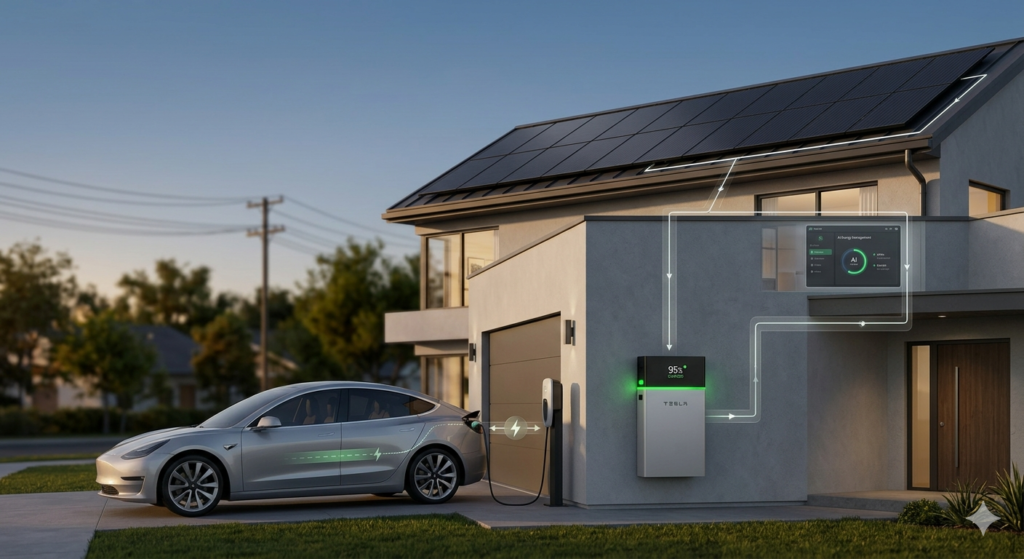
1. The Shift: It’s No Longer Just About the Panels
For years, I told my friends that solar panels were a great deal, but batteries? Not so much. We used to treat the grid like a giant, free battery—sending extra power during the day and taking it back at night.
But 2026 has changed the game. Today’s units aren’t just “dumb boxes” storing electricity; they are AI-driven systems. I’ve seen modern units hitting 95% efficiency. That means almost nothing is wasted. When I look at the tech today, it feels less like a hardware purchase and more like a smart software upgrade for your entire home.
2. Let’s Talk Numbers: The 2026 Price Drop
I’ve been tracking the “levelized cost of storage” (LCOS) for a while, and the figures are finally making sense for the average household.
The 28% Discount: Since 2024, the price of Lithium-Iron Phosphate (LiFePO4) and the newer Solid-State batteries has dropped by nearly a third.
Real-World Cost: I’m seeing 10kWh systems being installed for $6,500 to $9,000. If you asked me two years ago, you couldn’t touch a quality system for under $12,000.
Uncle Sam’s Help: Depending on where you live, tax credits are still incredibly generous. In many cases, you can get 30% to 40% of your total investment back. When you do the math, the net cost is becoming hard to ignore.
3. Why “Net Metering 3.0” Changed Everything
If there is one thing that pushed me over the edge to recommend batteries, it’s Net Metering 3.0.
Most utility companies have officially slashed the rates they pay you for your extra solar power by nearly 75%. It’s frustrating, right? Selling your power back to the grid for pennies and buying it back at 8 PM for top dollar feels like a losing battle. By storing that energy yourself, you’re essentially “sticking it” to the utility companies and using your own cheap power when they want to charge you the most.
4. The “Peace of Mind” Factor
We can talk about ROI all day, but we can’t ignore the record number of grid failures we saw in 2025.
I’ve talked to homeowners who went through blackouts last winter. Those with batteries had their refrigerators, Wi-Fi, and home offices running for 24 hours while their neighbors were in the dark. To me, that “blackout insurance” has a psychological ROI that you just can’t put a price tag on. Knowing your family is self-sufficient is a powerful feeling.
5. The Tech I’m Excited About Right Now
There are three things happening in 2026 that I think are absolute game-changers:
Solid-State Batteries: They last twice as long as the old lithium-ion ones and handle heat much better. They’re finally becoming accessible for homes.
V2H (Vehicle-to-Home): This is my favorite. If you have an EV, you can now use your car as a backup battery for your house. It’s like having a second power wall on wheels.
Smart AI Discharge: I love that my system can check the weather. If it sees a storm coming tomorrow, it keeps my battery full tonight just in case. It’s “set it and forget it” energy management.
6. My Final Verdict: Is It Time?
After looking at the data and the current energy climate, my answer for 2026 is a resounding Yes.
The Payback Window: We’ve gone from a 15-year payback period down to just 6–8 years.
Added Home Value: Real estate trends are showing that homes with “Solar + Storage” sell for about 4.5% more. In many cases, the system pays for itself the moment you decide to sell your home.
7. A Quick Checklist for You
If you’re thinking about pulling the trigger, don’t get caught up in the marketing fluff. Focus on these three:
DoD (Depth of Discharge): Only buy a battery with 100% DoD. You want to be able to use every bit of the power you paid for.
Surge Capacity: Make sure it can handle the “kick” your AC needs to start up.
The 15-Year Warranty: In 2026, don’t settle for a 10-year warranty. The tech is good enough now that 15 years should be your standard.
What do you think? Are you ready to cut the cord with the utility grid this year? Let me know in the comments—I’d love to hear your thoughts on your own home energy journey!