
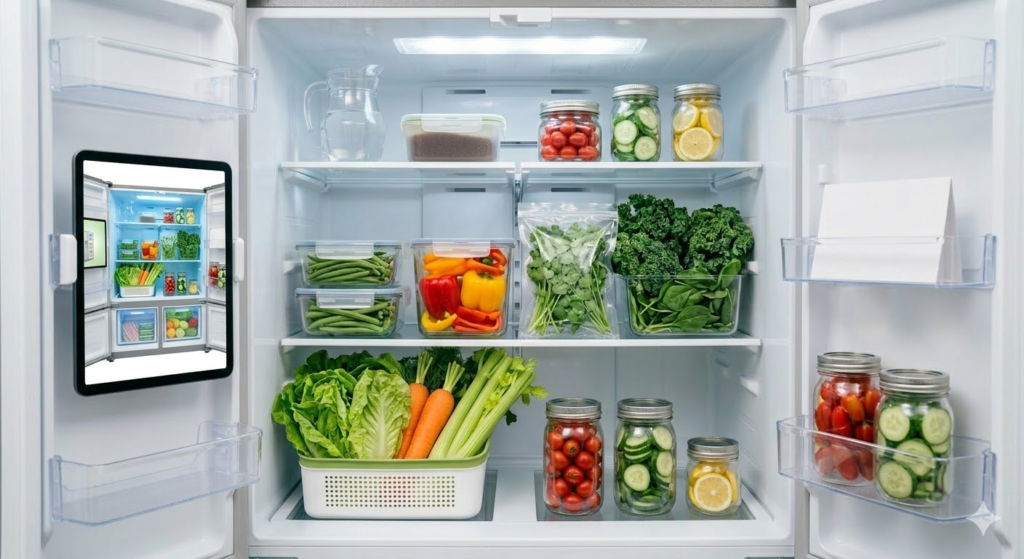
Have you ever opened your refrigerator crisper drawer only to find a bag of slimy cilantro, yellowing broccoli, or soft, wrinkled carrots? It’s a frustrating and expensive experience. Food waste is not only a hit to your wallet but also a significant environmental concern.
Most of us assume that the refrigerator is a “magical box” that stops time, but the reality is more complex. Each vegetable is a living organism that continues to breathe and release moisture even after being harvested. To keep them crunchy and nutrient-rich for 7 days or more, you need to master the art of Post-Harvest Management at home.
In this comprehensive guide, we’ll dive into the science of food preservation, why the “paper towel method” is a game-changer, and which vegetables should never, ever be stored together.
1. The Science of Decay: Why Vegetables Go Bad
Before we get into the “how,” let’s understand the “why.” Vegetables typically spoil due to three main factors:
Moisture Loss (Transpiration): When a vegetable loses its internal water to the air, it becomes limp and shriveled.
Ethylene Gas Exposure: Some fruits and vegetables release ethylene, a natural ripening hormone. If “ethylene-sensitive” vegetables are stored near “ethylene-producers,” they will age and rot prematurely.
Temperature Stress: Cold temperatures can damage tropical vegetables, while warm temperatures accelerate bacterial growth in leafy greens.
2. To Fridge or Not to Fridge? The Great Classification
One of the biggest mistakes people make is putting everything in the refrigerator immediately after coming home from the market.
The “No-Fridge” List (Room Temperature Storage)
These items actually lose flavor or change texture when chilled:
Potatoes & Sweet Potatoes: Cold temperatures convert their starch into sugar, making them gritty and sweet. Store them in a dark, cool, and airy place.
Onions & Garlic: They need air circulation. In the fridge, the humidity causes them to sprout or turn moldy. Keep them away from potatoes, as onions will cause potatoes to sprout faster.
Tomatoes: Chilling tomatoes breaks down their cell membranes, resulting in a mealy texture and loss of that “vine-ripened” aroma.
Squash & Pumpkins: These prefer a cool pantry. The moisture in the fridge will make their skin soft and prone to rot.
The “Fridge” List (Cold Storage)
Leafy Greens: Spinach, kale, and lettuce need high humidity but low surface moisture.
Cruciferous Vegetables: Broccoli, cauliflower, and cabbage stay crisp longest in the cold.
Root Vegetables (minus potatoes): Carrots, radishes, and beets love the humidity of the crisper drawer.
3. The Magic of Moisture Control: Paper Towels and Newspapers
If you want your vegetables to last a week, you must manage Humidity vs. Wetness. Vegetables love humidity (moist air), but they hate being “wet” (liquid water sitting on their leaves).
The Paper Towel Method
When you store leafy greens in a plastic bag, they “sweat.” That condensation sits on the leaves and starts the rotting process.
How to do it: Before sealing your greens in a bag or container, wrap them in a dry paper towel. The paper towel acts as a buffer—it absorbs excess surface moisture while keeping the air around the leaves humid enough to prevent wilting.
The Newspaper Trick for Root Veggies
For vegetables like carrots or cucumbers, wrapping them individually in clean newspaper or kraft paper can extend their life significantly. The paper provides a dark environment and absorbs the “sweat” that leads to mold.
4. Step-by-Step: 5 Pro Tips for Long-Lasting Freshness
Tip #1: The “Bouquet” Method for Herbs
Treat cilantro, parsley, and asparagus like fresh flowers. Trim the bottoms of the stems and place them upright in a glass with an inch of water. Cover the top loosely with a plastic bag and place it in the fridge. This keeps them hydrated and crisp for up to two weeks.
Tip #2: Don’t Wash Until You’re Ready to Eat
It’s tempting to wash everything as soon as you get home. Don’t. Adding extra moisture to vegetables before storage is an invitation for bacteria. If you must wash them (e.g., for meal prep), ensure they are 100% bone-dry before putting them away. Use a salad spinner if possible.
Tip #3: Understanding Ethylene “Bullying”
Never store your broccoli near apples or bananas. Apples release high amounts of ethylene gas which will turn your beautiful green broccoli yellow in 48 hours. Keep your gas-producers (apples, stone fruits, avocados) in a separate bowl or drawer from your sensitive greens.
Tip #4: The Crisper Drawer Settings
Most modern fridges have a “High Humidity” and “Low Humidity” setting.
High Humidity: Close the vent. Use this for things that wilt (lettuce, spinach, herbs).
Low Humidity: Open the vent. Use this for things that rot easily or release gas (mushrooms, peppers).
Tip #5: The Vinegar Rinse for Berries and Hard Veggies
For hearty items like peppers or cucumbers, a quick dip in a solution of 1 part vinegar to 3 parts water can kill mold spores on the surface. Dry them thoroughly afterward, and they will stay fresh far longer.
5. Managing the “Weekly Inventory”
To truly eliminate waste, you need a strategy:
Day 1-3: Eat the delicate items first (spinach, sprouts, mushrooms).
Day 4-5: Move on to sturdier items (peppers, zucchini, broccoli).
Day 6-7: Use your “hardy” vegetables (carrots, cabbage, potatoes, onions).
6. Conclusion: Sustainability Starts in the Kitchen
By taking just 10 minutes to properly sort and wrap your vegetables after shopping, you can save hundreds of dollars a year and enjoy much better-tasting meals. Remember: Keep it dry, keep it separate, and know your fridge zones.
Mastering these small habits transforms you from a “wasteful consumer” into a “conscious kitchen manager.” Your wallet—and the planet—will thank you.