
As interest rates remain elevated and home prices continue adjusting across different markets, millions of Americans are asking the same question in 2026:
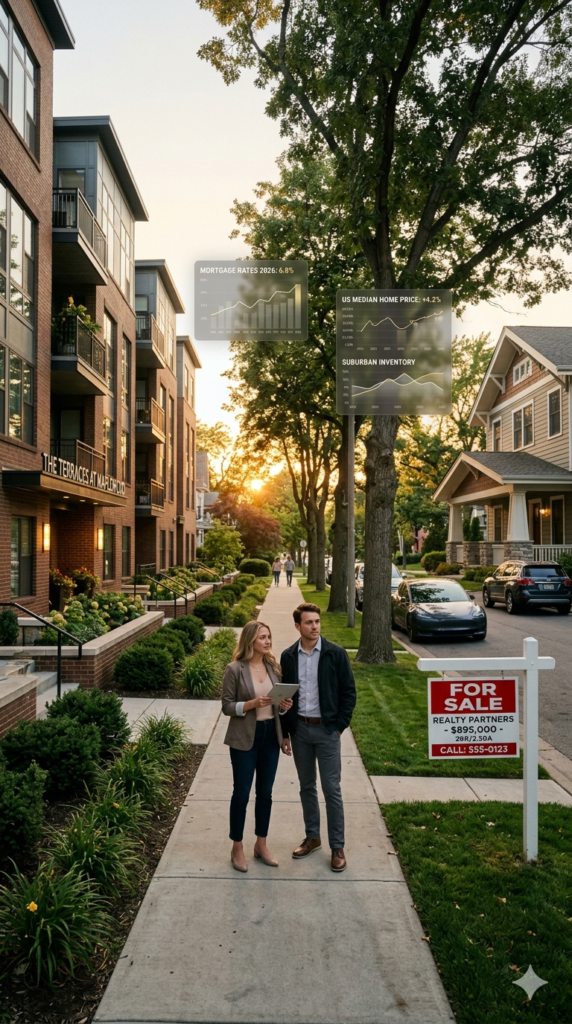
Is it finally better to buy a home—or keep renting?
The answer is no longer as simple as it was a decade ago.
In some cities, buying still builds long-term wealth. In others, renting may save tens of thousands of dollars over the next several years.
This analysis breaks down the latest housing trends, mortgage costs, affordability data, and real-world financial scenarios to determine which option makes the most sense in today’s market.
For years, homeownership was considered one of the safest paths toward building wealth.
Buy a house.
Pay down the mortgage.
Build equity.
Watch the property’s value rise.
But 2026 looks very different from previous decades.
Interest rates remain significantly higher than the ultra-low levels many Americans became accustomed to during the early 2020s.
At the same time, housing prices in many regions have not fallen enough to fully offset those higher borrowing costs.
As a result, millions of people are asking one important question:
Should you rent or buy in 2026?
The answer depends on far more than monthly payments.
The Housing Market Has Entered a New Phase
The housing market of 2026 is defined by one major factor:
Affordability.
Although mortgage rates have eased slightly compared to their recent peaks, financing a home remains far more expensive than it was just a few years ago.
Many buyers are discovering that even if home prices stabilize, the cost of borrowing continues to create significant financial pressure.
A home that seemed affordable in 2021 may now require hundreds or even thousands of dollars more each month when financed at today’s rates.
This has fundamentally changed the rent-versus-buy equation.
The Real Cost of Homeownership
Many first-time buyers focus only on the mortgage payment.
However, true ownership costs extend much further.
Property taxes.
Homeowners insurance.
Maintenance expenses.
Repairs.
HOA fees.
Unexpected emergencies.
A roof replacement.
A water heater failure.
An HVAC breakdown.
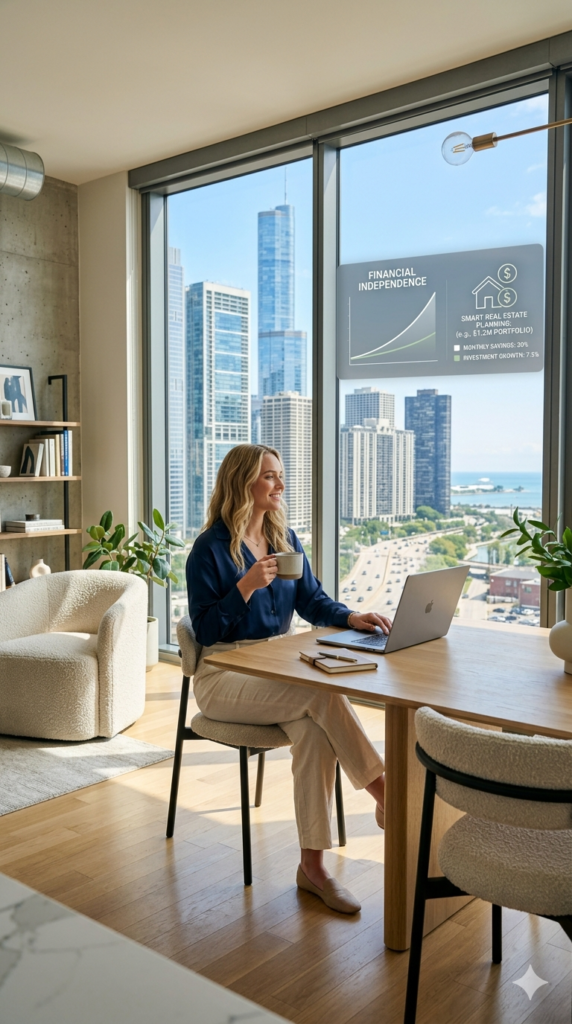
These expenses often add substantial costs beyond the mortgage itself.
When all ownership costs are included, buying can become significantly more expensive than many people initially expect.
Why Renting Looks Better Than It Used To
Renting has traditionally been viewed as “throwing money away.”
But financial experts increasingly challenge that assumption.
Renters gain flexibility.
They avoid major repair costs.
They avoid large down payments.
They preserve liquidity during uncertain economic periods.
Most importantly, renters can invest money that would otherwise be tied up in homeownership.
In some markets, investing the difference between renting and owning may generate greater wealth over several years than purchasing an expensive home.
Location Matters More Than Ever
There is no single national answer.
In certain parts of the country, buying remains financially attractive.
Areas with strong job growth, limited housing supply, and stable population increases continue supporting home values.
In other regions, high prices combined with elevated mortgage rates have pushed ownership costs far above comparable rents.
The result is a growing divide between cities where buying makes financial sense and cities where renting remains the smarter short-term choice.
The Five-Year Rule
One of the most important factors is how long you plan to stay.
Buying generally becomes more attractive when homeowners remain in the property for several years.
Transaction costs associated with purchasing and selling a home can be substantial.
Closing costs.
Agent commissions.
Moving expenses.
Market fluctuations.
For individuals expecting to relocate within three to five years, renting often provides greater financial flexibility and lower risk.
Those planning to stay much longer may benefit from equity accumulation and potential appreciation.
The Psychological Side of the Decision
Not every benefit appears on a spreadsheet.
Many homeowners value stability.
The ability to customize their space.
Freedom from annual lease renewals.
A sense of permanence.
Meanwhile, renters often appreciate flexibility and reduced responsibility.
Neither choice is universally better.
The right answer depends on personal priorities as much as financial calculations.
What the Data Suggests for 2026
Current housing data points toward a more balanced conclusion than in previous years.
Buying is no longer automatically the superior financial decision.
In many metropolitan areas, renting remains competitive or even advantageous when ownership costs are fully considered.
For buyers with strong savings, stable employment, and long-term plans, homeownership can still be a powerful wealth-building tool.
For those facing uncertain job situations, high local housing costs, or shorter timelines, renting may provide greater financial efficiency.
The Verdict
The data-driven verdict for 2026 is surprisingly simple:
Buy when you are financially prepared, plan to stay long-term, and can comfortably afford the full cost of ownership.
Rent when flexibility, liquidity, and lower financial risk provide greater value.
The smartest housing decision is not the one that follows tradition.
It is the one that aligns with your finances, your goals, and your future plans.
In 2026, success is not about owning or renting.
It is about choosing the option that puts you in the strongest position for the years ahead.