
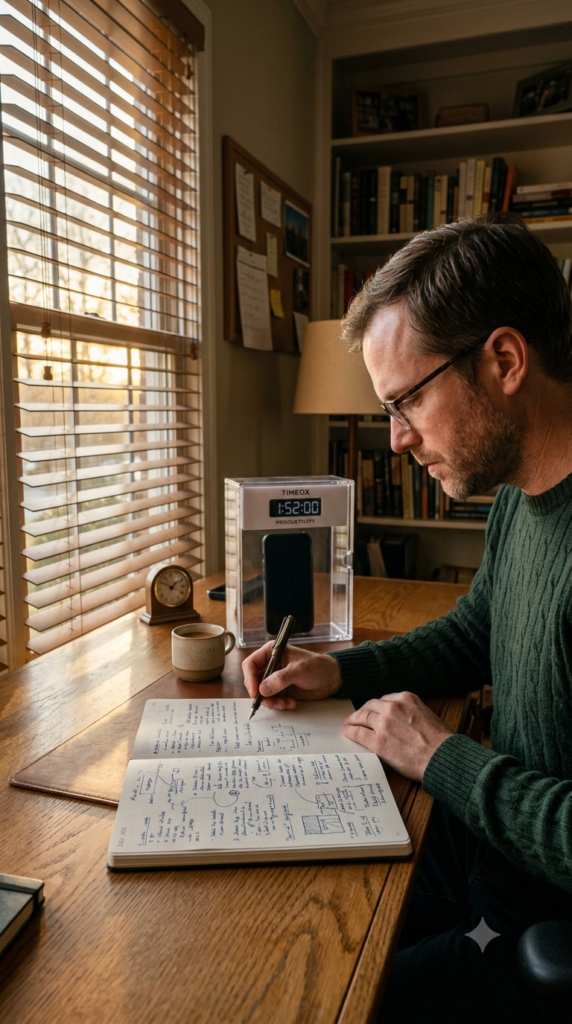
Digital Detox Metrics: What Happened When I Limited Social Media to 30 Minutes a Day for 30 Days
Like most people, I never thought I spent too much time on social media.
I checked Instagram during breakfast.
Opened Facebook between meetings.
Scrolled TikTok while waiting for coffee.
Watched YouTube Shorts before bed.
None of it felt excessive.
Each session lasted only a few minutes.
Or so I thought.
When I finally checked my phone analytics, the truth was uncomfortable.
My average social media usage exceeded 3 hours and 40 minutes per day.
That was more than 110 hours every month.
Almost three full work weeks.
The number shocked me.
So I decided to run an experiment.
For the next 30 days, social media would be limited to a strict maximum of 30 minutes per day.
No exceptions.
No cheating.
No “just checking something quickly.”
The goal wasn’t to become anti-technology.
The goal was simple:
Find out what happens when attention stops being constantly interrupted.
Why Deep Work Matters
The concept of Deep Work has become increasingly important in modern workplaces.
Deep Work refers to periods of uninterrupted concentration where complex thinking can occur.
Writing.
Programming.
Problem solving.
Strategic planning.
Creative work.
These activities require sustained focus.
Unfortunately, social media trains the brain to do the opposite.
Every swipe creates novelty.
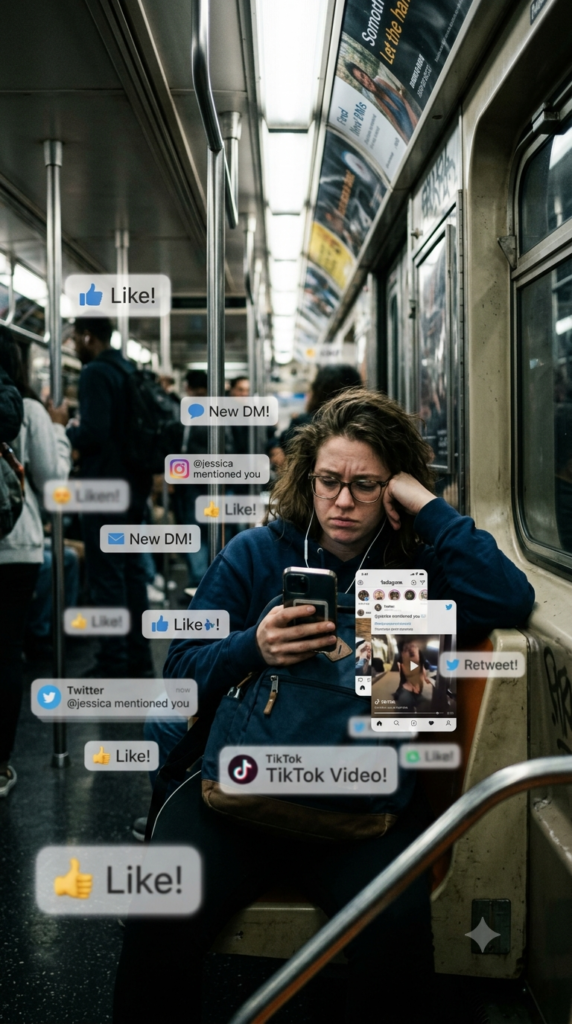
Every notification demands attention.
Every short video rewards distraction.
Over time, concentration becomes harder to maintain.
The First Week: Withdrawal Is Real
The first few days were surprisingly difficult.
I reached for my phone automatically dozens of times.
Not because I needed information.
Because the habit had become automatic.
Waiting in line?
Check social media.
Bored for thirty seconds?
Check social media.
Finished an email?
Check social media.
The urge was constant.
What surprised me most was how often I unlocked my phone without any specific purpose.
The behavior felt almost unconscious.
By day four, I began noticing something else:
silence.
Small moments of boredom were returning.
At first, that felt uncomfortable.
Then it became valuable.
Week Two: Attention Starts Rebuilding
During the second week, work sessions became noticeably different.
Before the experiment, I often switched tasks every few minutes.
Email.
Spreadsheet.
Phone.
Chat message.
Back to email.
Now those interruptions occurred less frequently.
My average uninterrupted work block increased from roughly 18 minutes to nearly 45 minutes.
That change alone felt transformative.
Tasks that normally stretched across an entire afternoon began finishing before lunch.
Not because I worked harder.
Because I stopped restarting my focus every few minutes.
The Unexpected Effect on Mental Energy
Many people assume social media is relaxing.
I used to believe that too.
But after two weeks, I noticed something interesting.
Mental fatigue decreased.

I wasn’t processing hundreds of random videos, headlines, opinions, advertisements, and emotional triggers throughout the day.
My brain felt less crowded.
Less noisy.
Decision-making became easier.
Concentration required less effort.
The constant feeling of mental clutter began fading.
Week Three: Deep Work Sessions Expand
By the third week, measurable changes appeared.
Long-form reading became easier.
Writing sessions lasted longer.
Complex projects felt less overwhelming.
My average Deep Work session exceeded 90 minutes without checking my phone.
That had not happened consistently in years.
Even more surprising:
I no longer felt the same urgency to know everything happening online.
The fear of missing out slowly disappeared.
And nothing important was actually missed.
What Happened to Productivity?
The numbers were difficult to ignore.
Compared to the month before the experiment:
Focused work time increased by approximately 47%.
Task completion rates improved.
Fewer mistakes appeared in detailed projects.
Reading volume nearly doubled.
Screen time dropped significantly.
Most importantly, work felt less stressful.
The workload had not changed.
My ability to focus had.
What Filled the Empty Time?
One common fear is that reducing social media creates boredom.
The opposite happened.
The reclaimed hours naturally filled themselves.
More reading.
More walking.
More conversations.
More sleep.
More thinking.
Activities that had slowly disappeared beneath endless scrolling began returning.
And none of them required extraordinary effort.
The Final Week: A Different Relationship with Technology
By the end of the month, something fundamental had changed.
Social media no longer controlled idle moments.
It became a tool instead of a reflex.

I still used it.
I still enjoyed it.
But I was choosing when to engage rather than reacting automatically.
That distinction turned out to be incredibly important.
The Real Lesson
The experiment wasn’t really about social media.
It was about attention.
Attention is one of the most valuable resources we possess.
Every notification competes for it.
Every algorithm monetizes it.
Every distraction fragments it.
When attention becomes scattered, deep thinking becomes rare.
When attention is protected, focus returns surprisingly quickly.
The Results After 30 Days
The benefits were clear:
Longer concentration spans.
More productive work sessions.
Lower mental fatigue.
Better reading habits.
Improved task completion.
Reduced stress.
And perhaps most importantly:
A renewed ability to sit with a difficult problem long enough to solve it.
The 30-minute limit wasn’t magic.
The real change came from creating boundaries.
Because in a world designed to capture attention,
sometimes the most productive thing you can do is simply stop scrolling.