
Inflation vs. Wellness: How to Maintain a Healthy Diet as Food Prices Continue to Rise in 2026
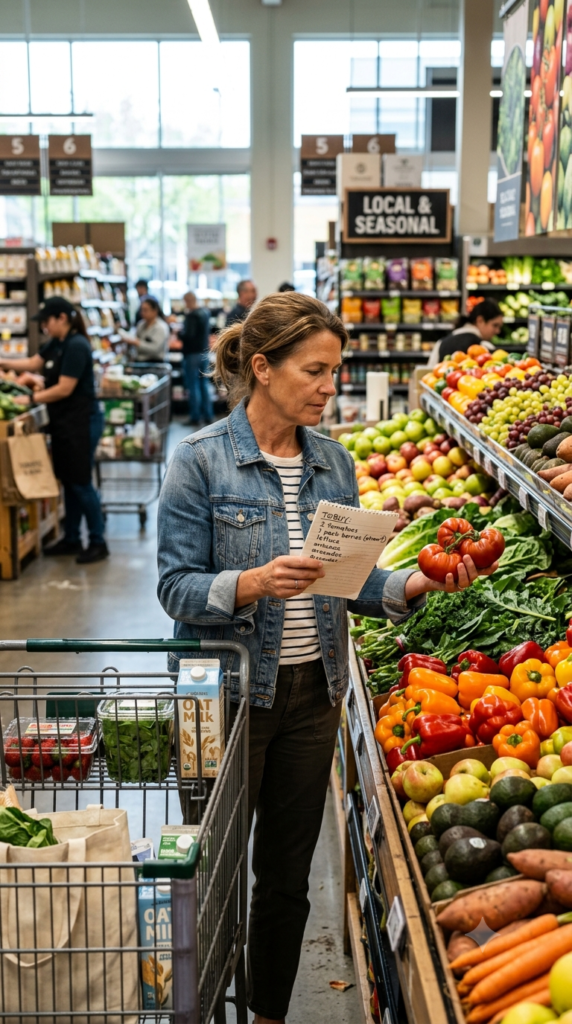
Walking through the grocery store in 2026 feels different than it did just a few years ago.
Every trip seems to cost a little more.
Eggs.
Fresh fruit.
Chicken.
Even basic pantry staples have become noticeably more expensive.
Like many families, I found myself asking an uncomfortable question.
Could I still eat healthy without spending hundreds of extra dollars every month?
Instead of guessing, I decided to treat the next three months as an experiment.
The goal wasn’t to eat less.
It was to spend smarter.
The Grocery Budget Reality
At first, I assumed eating healthy meant buying expensive “superfoods.”
Organic everything.
Imported berries.
Premium protein powders.
Fancy snacks advertised online.
But after reviewing my receipts, I realized something important.
Many of my highest grocery expenses weren’t actually the healthiest foods.
They were convenience foods.
Ready-made meals.
Packaged snacks.
Single-serving drinks.
Once those purchases became visible, changing my habits became much easier.
Planning Before Shopping
The biggest improvement happened before I even entered the grocery store.
Every Sunday evening, I planned meals for the upcoming week.
Breakfast.
Lunch.
Dinner.
And healthy snacks.
Instead of wandering through every aisle, I arrived with a short shopping list based only on meals I actually intended to cook.
Impulse purchases dropped dramatically.
So did food waste.
Frozen Foods Were A Pleasant Surprise
One misconception I had believed for years was that frozen vegetables were somehow less nutritious.
After researching modern food preservation methods, I discovered many frozen vegetables retain excellent nutritional value because they are processed soon after harvest.
Broccoli.
Spinach.
Mixed vegetables.
Blueberries.
Keeping these in the freezer meant healthy ingredients were always available without worrying about spoilage.
Nothing went to waste.
Protein Didn’t Need To Be Expensive
Steak became an occasional treat instead of a weekly purchase.
Instead, I rotated affordable protein sources.
Chicken thighs.
Eggs.
Beans.
Greek yogurt.
Canned tuna.
Lentils.
These foods provided excellent nutrition while helping keep the grocery budget under control.
Cooking Larger Portions Saved More Than Money
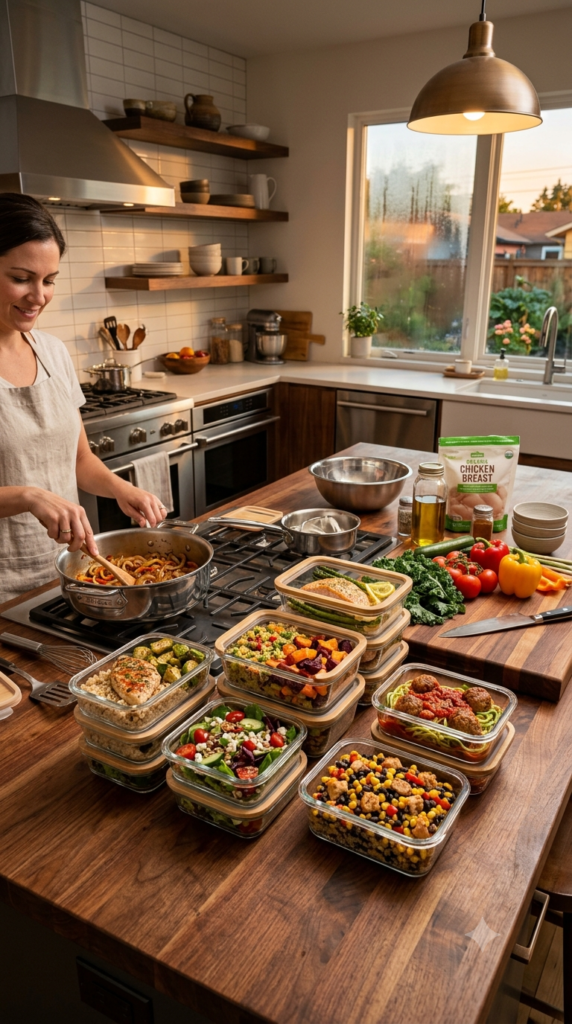
Rather than preparing dinner every evening, I began cooking larger batches several times each week.
Soups.
Chili.
Brown rice.
Roasted vegetables.
Grilled chicken.
Individual portions were stored for later meals.
This reduced both cooking time and the temptation to order takeout after busy workdays.
Less stress.
Less spending.
Better nutrition.
Shopping With The Seasons
Another habit made an immediate difference.
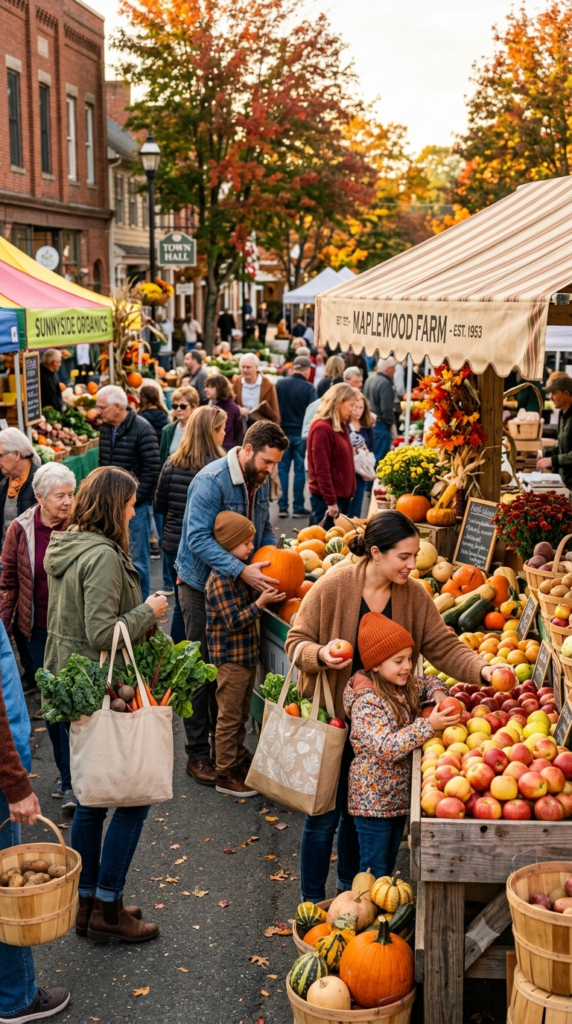
Instead of insisting on the same fruits and vegetables year-round, I started buying whatever was in season.
When strawberries became expensive, apples and oranges replaced them.
When asparagus prices increased, broccoli or cabbage became better choices.
Seasonal shopping kept meals varied while lowering costs naturally.
Healthy Doesn’t Need Fancy Packaging
Many products labeled “healthy” carried premium prices simply because of attractive marketing.
Protein bars.
Detox juices.
Wellness snacks.
Many cost several dollars per serving.
Simple whole foods often delivered equal or better nutrition at a fraction of the price.
A banana.
Oatmeal.
Peanut butter.
Plain yogurt.
These basics quietly became some of the best values in my kitchen.
The Unexpected Benefits
After several months, I noticed something interesting.
I wasn’t only spending less.
I was actually eating better.
Meals contained more vegetables.
Less processed food.
More home cooking.
My energy throughout the afternoon became more stable.
Preparing meals ahead of time also reduced the daily question of “What’s for dinner?”
Healthy choices became easier because they were already prepared.
Inflation Doesn’t Have To Control Every Decision
Food prices will continue changing.
That’s something no family can fully control.
But the choices made inside the grocery store remain surprisingly powerful.
Planning ahead.
Buying seasonal produce.
Choosing versatile ingredients.
Cooking at home.
Reducing food waste.
These habits helped protect both my budget and my health.
The Real Investment
Looking back, the biggest lesson wasn’t about spending less.
It was about spending intentionally.
Healthy eating isn’t determined by the most expensive ingredients.
It’s built through consistent decisions repeated week after week.
Inflation may change prices.
But it doesn’t have to take away the ability to nourish yourself well.
Sometimes the smartest financial strategy begins with something as simple as a carefully planned grocery list.