
The “Cost-Per-Wear” Audit: Why One High-Quality Purchase Can Cost Less Than Five Fast Fashion Buys Over Two Years
Like many people, I used to believe buying inexpensive clothes was the smartest financial choice.
A $20 sweater seemed like a much better deal than one costing $120.
After all, they looked almost identical on the rack.
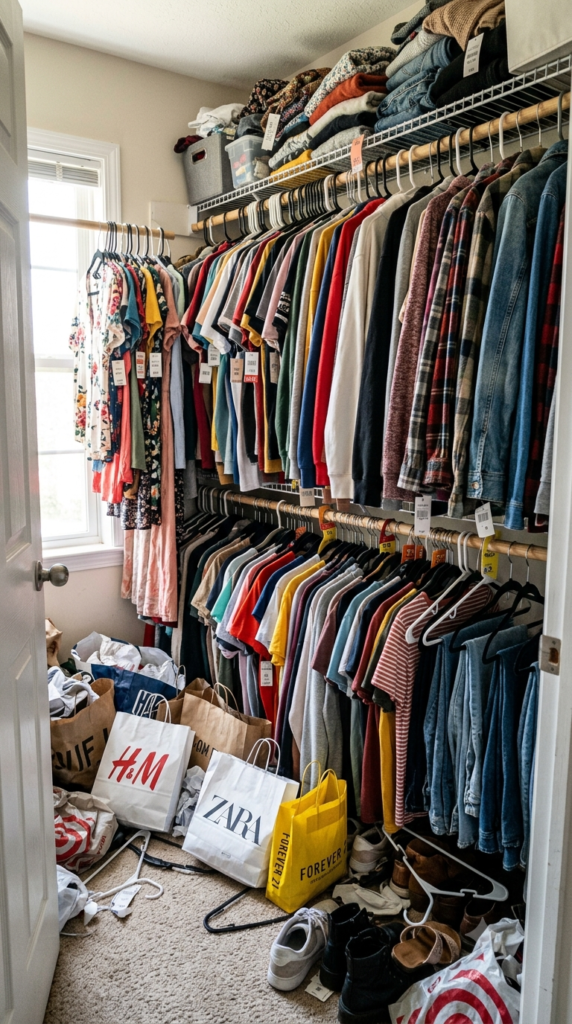
For years, I filled my closet with low-cost clothing from popular fast-fashion stores.
Every season brought something new.
Every sale felt impossible to ignore.
At first, it felt like I was saving money.
But after looking back over two full years of receipts, I realized something surprising.
The expensive sweater had actually cost me less.
The Experiment Began By Accident
In early 2024, I bought two very different jackets.
The first came from a fast-fashion retailer for $48.
The second was a premium outdoor jacket priced at $260.
Friends immediately questioned the expensive purchase.
“It’s just a jacket.”
“They both keep you warm.”
“Why spend five times more?”
I wondered the same thing.
So I decided to keep track of everything.
Every wash.
Every repair.
Every replacement.
Every day each jacket was worn.
Two Years Tell A Different Story
The fast-fashion jacket looked great for the first few months.
But by winter, loose stitching appeared around the pockets.
The zipper became unreliable.
The fabric started pilling.
After about seven months, I replaced it.
Then replaced the replacement.
By the end of two years, I had purchased five similar jackets.
Total spending:
Approximately $245.
The premium jacket told a completely different story.
After hundreds of wears, it still looked almost new.
No broken zipper.
No torn seams.
Only normal signs of regular use.
Cost Per Wear Changed Everything
The numbers became even more interesting.
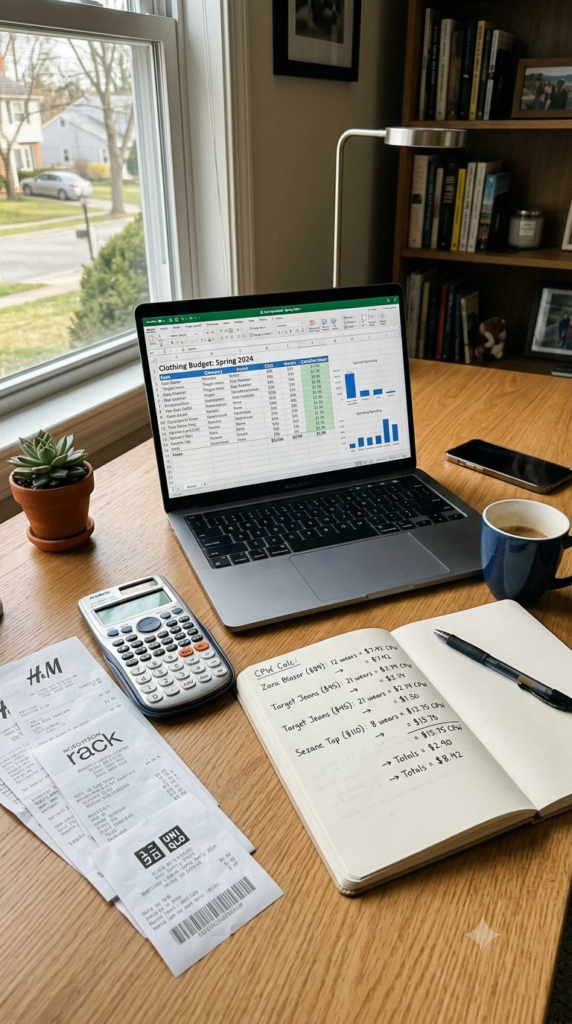
Fast-fashion jacket:
Average lifespan:
145 wears.
Average cost per wear:
About $0.34.
Premium jacket:
Over 700 wears during two years.
Average cost per wear:
Roughly $0.37 during year one…
And under $0.20 by the end of year two.
If I continue wearing it another two years, the cost drops even further.
Suddenly, the expensive purchase no longer seemed expensive.
Quality Changed More Than Appearance
The biggest surprise wasn’t durability.
It was comfort.
The higher-quality materials breathed better during summer mornings.
Blocked wind more effectively during colder months.
Maintained shape after repeated washing.
The fast-fashion versions slowly lost structure.
Sleeves stretched.
Collars curled.
Fabric became thinner.
Eventually they simply didn’t feel enjoyable to wear anymore.
The Hidden Costs Nobody Mentions
Replacing clothing doesn’t only cost money.
It costs time.
Driving to stores.
Browsing online.
Returning items that don’t fit.
Waiting for deliveries.
Repeating the entire process every few months.
The premium purchase quietly eliminated all of that.
One decision.
Hundreds of days of use.
Less shopping.
Less waste.
Less stress.
The Closet Became Smaller—But Better
Without planning to, my wardrobe slowly changed.
Instead of buying ten average shirts each year…
I bought two excellent ones.
Instead of replacing shoes annually…
I purchased one durable pair that continued looking great.
Ironically, owning fewer clothes made getting dressed easier.
Everything fit well.
Everything matched.
Everything lasted.
What The Numbers Really Taught Me
This wasn’t about buying luxury brands.
It wasn’t about expensive logos.
It was about buying items designed to last.
Well-made denim.
Strong stitching.
Quality leather.
Natural fabrics.
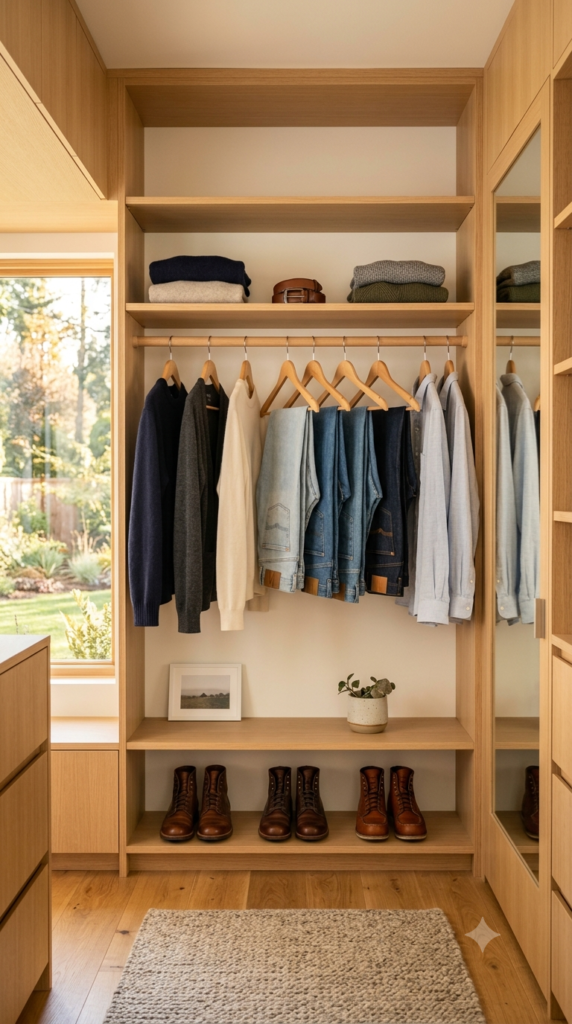
Reliable craftsmanship.
Sometimes those products cost more initially.
But over time, many become the cheaper option.
A Different Way To Think About Shopping
Now, before buying anything, I ask one question:
“How many times will I realistically wear this?”
That single question completely changed my spending habits.
If the answer is twenty times…
Maybe it isn’t worth buying.
If the answer is three hundred…
The price suddenly matters much less.
The Real Value Isn’t The Price Tag
Looking only at purchase price tells only part of the story.
True value comes from longevity.
Comfort.
Reliability.
And the number of times something genuinely improves daily life.
Sometimes the cheapest product costs the most.
And sometimes the item with the highest price tag quietly becomes the best investment in your closet.
Over two years, that lesson became impossible to ignore.